Physical Access Control
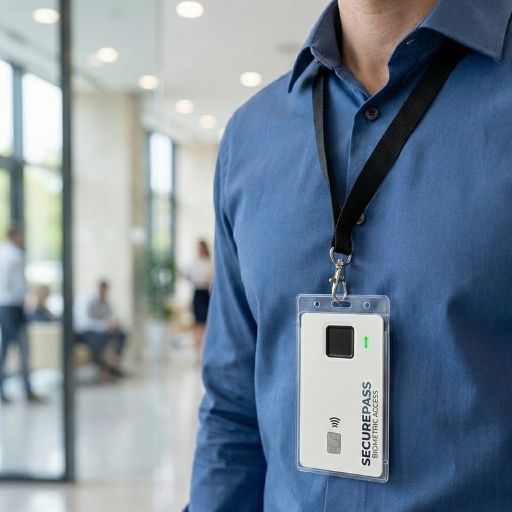
Most physical access control systems incorporate an RFID access card issued to authorized personnel, such as employees. The problem, however, is that the access control system can not determine if the person possessing the access card is the same person who was initially issued the card. Unauthorized persons can use lost or stolen access cards to enter workplaces, hospitals, schools, and other sensitive areas. This endangers the safety of employees, students, patients, and staff, as well as the physical and intellectual assets of the organization.
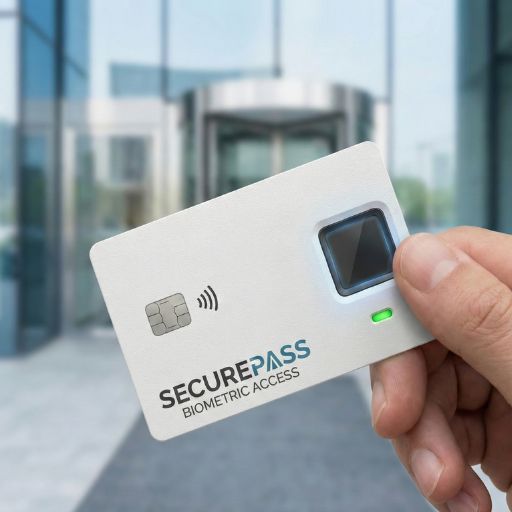
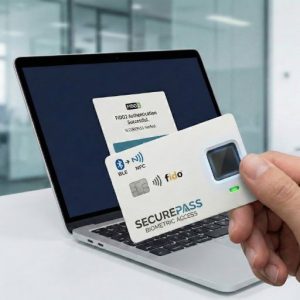
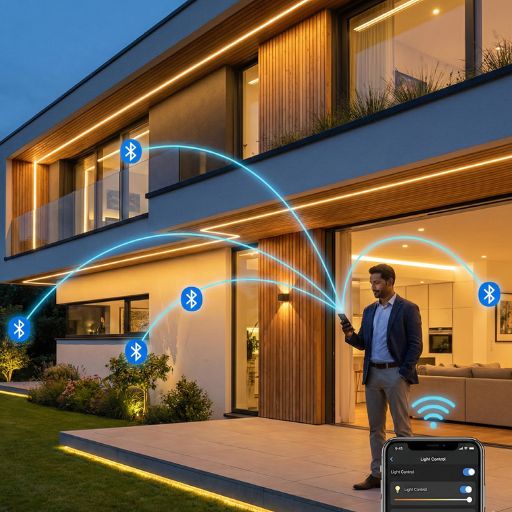
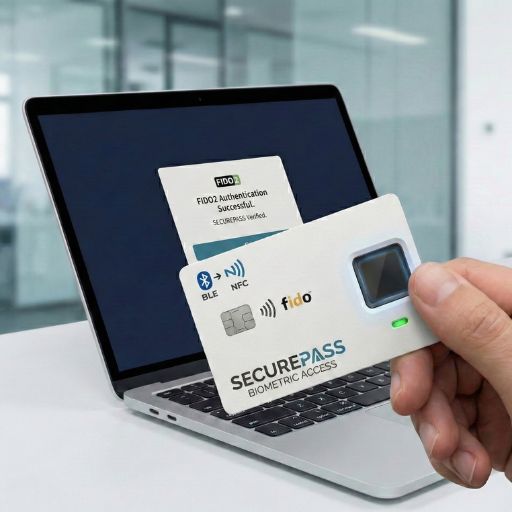
The Biometric Access badge solves this problem by biometrically authenticating the person possessing the access badge before granting access. A lost or stolen access badge is useless in the hands of an unauthorized person because the user must first biometrically authenticate to the badge before the wireless (RFID, Bluetooth) functions are enabled.
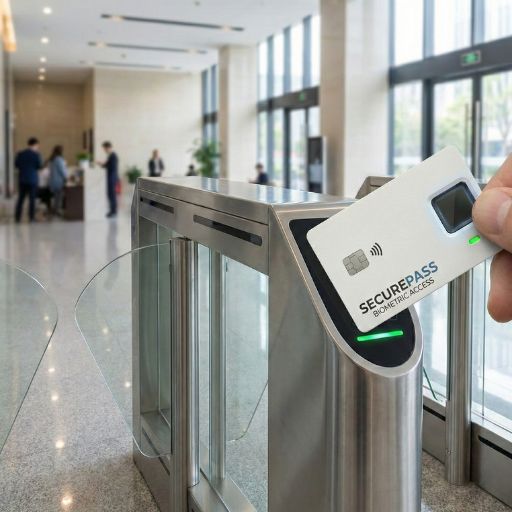
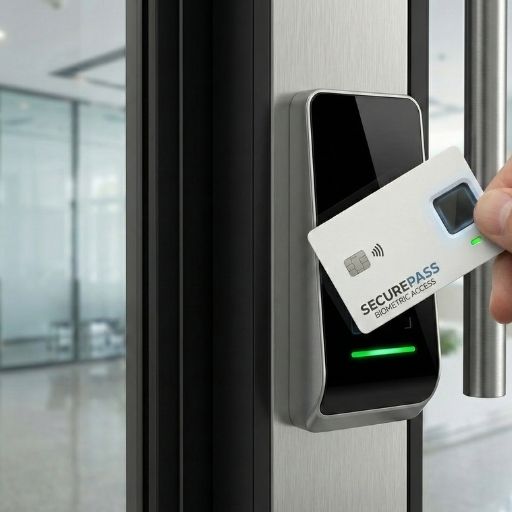
The Biometric Access badge can be used as an alternative to joint touch surfaces, such as keypads and fingerprint sensors on door locks, gates, and turnstiles.
Logical Access Control
Most computer and network access depend on username and password access, which can be easily guessed or stolen via various techniques.
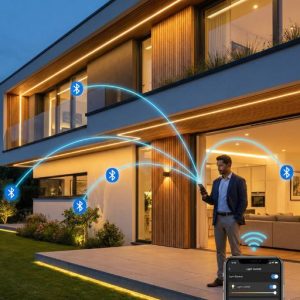
Biometric Access badge is more secure than usernames and passwords because biometric authentication is required first, enabling Bluetooth login credentials. Software residents on the computer or network can automatically log on to the user as soon as the badge is within a predefined Bluetooth perimeter and log off the user when the MBX leaves the Bluetooth perimeter.