

Blog
Transformer Oil Temperature Monitoring for State Discoms: White Label Design That Integrates with Existing SCADA

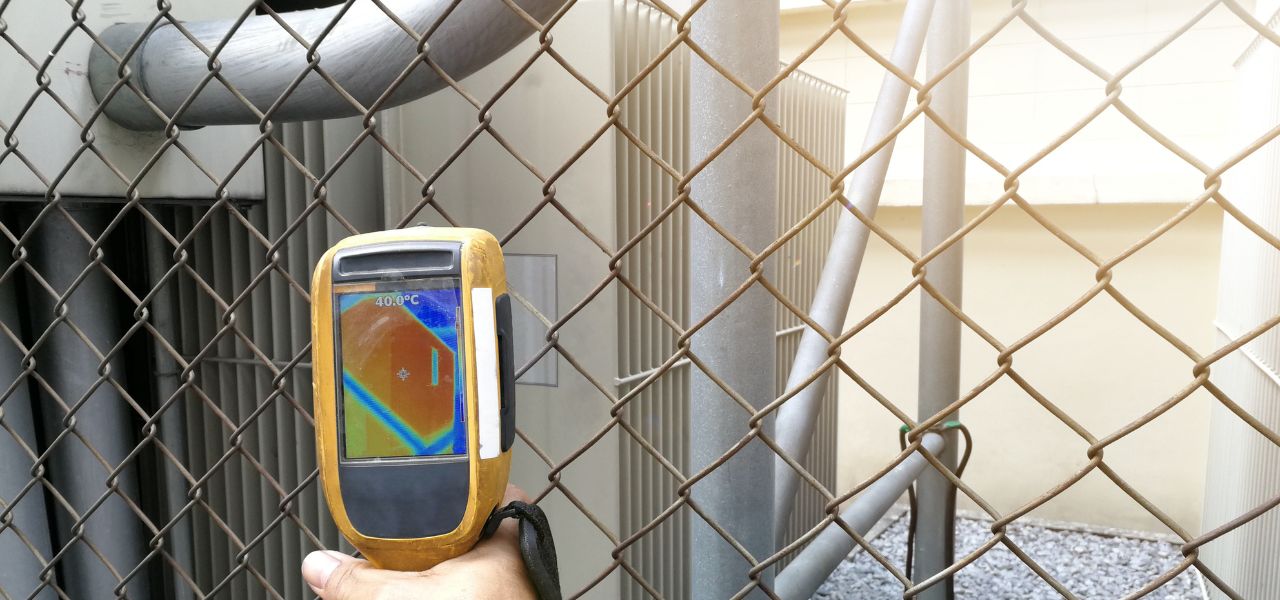
A distribution transformer fails. The oil temperature crossed 95 degrees Celsius. No one knew until the fuse blew and 300 households lost power. This scenario repeats thousands of times every year across Indian state discoms. The cost is not just repair or replacement. The cost is regulatory penalties, consumer anger, and unplanned overtime for field crews.
You already have SCADA in your control rooms. You already have substation automation systems from multiple vendors. What you do not have is a cost-effective, easily deployable, and reliable way to monitor transformer oil temperature in real time on feeders and pole-mounted transformers.
This is where a white-label Wi-Fi temperature sensor design, built around Beken chipsets and integrated by Cionlabs, changes the economics of transformer maintenance for Indian discoms.
The Hidden Failure Curve of Indian Distribution Transformers
Data from multiple state discoms shows a clear pattern. Transformer oil temperature rises gradually for months before a catastrophic failure. Each 10-degree Celsius rise above the nominal 85 degrees cuts transformer life by half. Yet most discoms rely on monthly manual thermographic inspections or simply wait for a failure to react.
The problem is not awareness. The problem is cost and integration. A single online dissolved gas analyzer or fiber optic temperature sensor costs more than the transformer itself. That model does not scale to the 50,000 distribution transformers a typical state discom manages.
What scales is a focused, single-parameter measurement. Oil temperature. Nothing more, nothing less. Correlate that with load current data already available in your SCADA, and you have a predictive warning system at one-tenth the cost.
Why Wi-Fi, Not Cellular or LoRa, for This Use Case
Most discoms assume cellular is the default choice for remote monitoring. But cellular modules require separate SIM management, recurring data costs, and tower coverage that is unreliable in rural substations. LoRa requires new gateway infrastructure.
Wi-Fi solves a different problem. Most distribution transformers are located within 100 to 150 meters of a feeder meter, a substation RTU, or a staff building that already has an internet connection. That existing network can be leveraged. You do not build new connectivity. You use what is already there.
Beken Wi-Fi chipsets are particularly suited here. They offer strong receiver sensitivity at low transmit power. They reconnect aggressively after power interruptions, a critical feature given the erratic auxiliary supply at many transformer locations. And they operate reliably from zero to 70 degrees Celsius, which covers the ambient range around a transformer before oil cooling activates.
The Integration Challenge with Existing SCADA
Your SCADA system, whether from ABB, Siemens, or a domestic integrator, speaks IEC 60870 or DNP3. It does not speak MQTT from a random Wi-Fi sensor. This is where most DIY monitoring projects fail. They collect data but cannot push it into the existing operator workflow.
A white-label design from Cionlabs solves this at the edge. The sensor reads the transformer oil temperature using a PT100 or thermistor probe. The Beken Wi-Fi module processes the reading and transmits it to a local gateway or directly to a protocol converter that bridges to your SCADA front end. The operator sees temperature alarms on the same screen where they already monitor load, voltage, and current. No new training. No new software license.
White Label Advantages for State Discoms
State discoms cannot afford vendor lock-in. They also cannot afford to wait 12 months for a custom hardware development. The white label model provides a middle path.
You specify the probe type, the mounting mechanism, the temperature threshold logic, and the SCADA protocol. Cionlabs takes a proven reference design built around Beken Wi-Fi and customizes it for your specific transformer fleet. The enclosure is rated for outdoor Indian conditions. The power supply can be tapped from the transformer LT side or from a small battery-backed unit. The final device carries your specification, your approved vendor list, and your quality marks.
The timeline is typically 10 to 12 weeks from requirement freeze to first production batch of 500 units. No in-house hardware team required. No prolonged vendor negotiation over intellectual property.
The Economics of Preventive Replacement
Let us examine a mid-sized discom with 8,000 distribution transformers. Industry data suggests 5 to 8 percent of these fail annually. Each unplanned failure costs approximately ₹1.5 to ₹2 lakhs in repair, logistics, and penalty. That is ₹6 to ₹12 crores per year.
A white-label temperature monitoring system, installed on the highest risk transformers first, costs roughly ₹4,000 to ₹6,000 per unit, including sensor, Beken Wi-Fi module, enclosure, and installation. Deploying on 2,000 high-risk transformers costs ₹1 crore. If this reduces unplanned failures by even 30 percent, the payback period is under six months.
The numbers work. The integration path is clear. The only missing piece is execution.
Risk Reduction Through Local Design Partnership
Foreign temperature sensors face two problems in Indian discom environments. First, they are designed for clean European or North American substations, not dusty, humid, or chemically corrosive transformer yards. Second, their certification and import lead times are unpredictable.
Cionlabs designs and assembles in India. The Beken Wi-Fi chipset is sourced through established local distribution channels. The entire bill of materials is selected for availability, not just performance. When you need a firmware change or a hardware revision, the turnaround is days, not months.
This is not a theoretical advantage. This is the difference between a pilot that stalls and a deployment that scales.
From Pilot to State-Wide Rollout
The smart grid roadmap for Indian discoms includes outage reduction as a key performance indicator. Transformer oil temperature monitoring is not a nice-to-have. It is a measurable, high-return intervention. Starting with a pilot of 50 to 100 units on your most frequently failing transformers will generate operational data within one summer season.
That data will show you exactly which thresholds predict failure. It will also show you which transformer sizes and load patterns benefit most from monitoring. Armed with that evidence, you can build a business case for a state-wide rollout.
Cionlabs provides the white-label hardware foundation. Beken provides the connectivity reliability. Your existing SCADA becomes the command center. No forklift upgrade. No multi-year vendor contract. Just a practical, deployable sensor that pays for itself in prevented failures.
Ready to move from reactive transformer maintenance to predictive monitoring? Contact Cionlabs to discuss a white-label pilot customized for your discom fleet.