

Blog
From Vending Machines to Smart Retail: How Indian SMBs Can Leverage IoT for Cash Flow Visibility

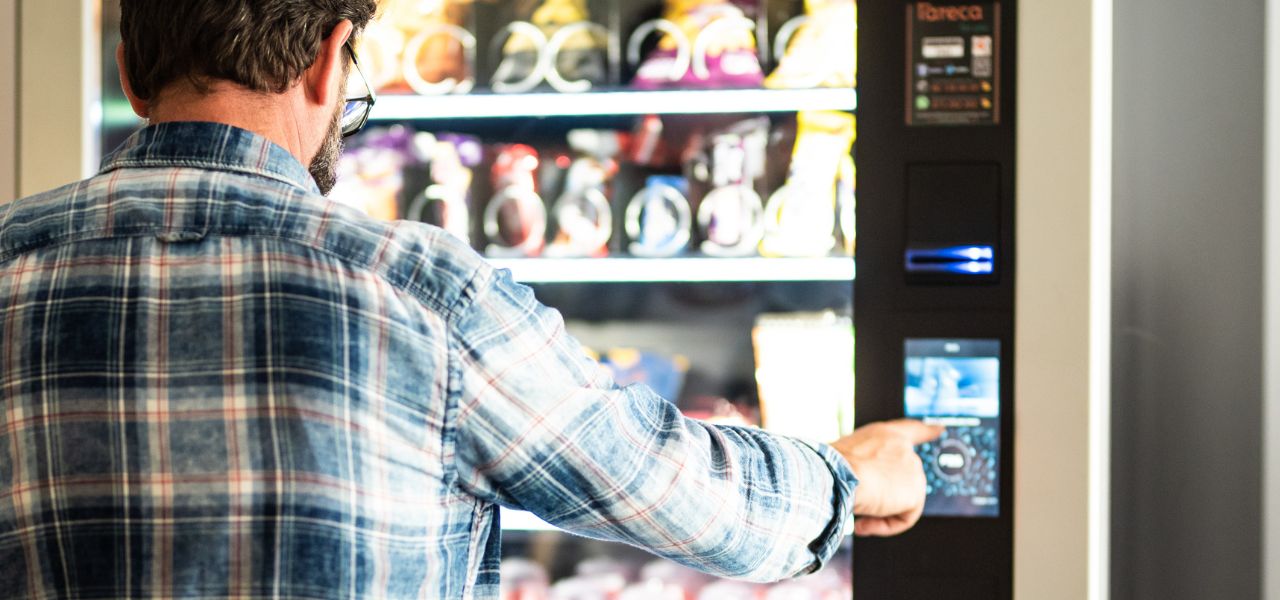
India’s retail landscape is transforming. Here is how connected vending and smart retail solutions can unlock real-time cash flow visibility for small and medium businesses.
The Indian vending machine market is poised for significant growth. According to industry data, the market was valued at USD 825.5 million in 2024 and is projected to reach USD 1623.5 million by 2030, growing at a compound annual growth rate of 10.84 per cent. This expansion is not merely about more machines. It represents a fundamental shift in how Indian consumers access products and how businesses manage retail operations.
For senior executives leading product strategy, this trend presents a clear opportunity. However, the real value lies not in the hardware itself, but in the data these connected devices generate. The ability to see cash flow in real time, predict maintenance needs, and optimise inventory remotely is what separates smart retail from traditional vending.
The Cash Flow Visibility Problem in Traditional Retail
Traditional vending machines and small retail kiosks operate in the dark. Operators have limited visibility into several critical areas. Stock levels remain unknown until a machine runs empty. Sales data is collected manually during service visits. Cash collections happen on unpredictable schedules. Maintenance issues only become apparent when a machine stops working entirely.
This lack of visibility creates real business problems. Inventory planning becomes guesswork. Revenue reconciliation is delayed by days or weeks. Machine downtime directly translates to lost sales. For businesses operating hundreds of machines across multiple locations, these inefficiencies compound rapidly.
India’s retail sector is valued at approximately Rs 75 lakh crore and is growing at 10 to 12 per cent annually. Within this vast ecosystem, vending machines and automated retail kiosks represent a fast-growing segment. The volume of vending machine units in India is expected to grow from 289 thousand units in 2024 to 736 thousand units by 2030, representing a compound annual growth rate of 15.53 per cent.
How IoT Transforms Vending into Smart Retail
Internet of Things technology addresses each of these visibility gaps directly. When a vending machine is equipped with a connected controller board, it becomes a data-generating asset rather than a dumb metal box.
Real-time sales tracking allows operators to see exactly what sells and when. This data enables dynamic pricing strategies. One Indian food vending startup, Vada Pav Waale, successfully implemented dynamic pricing by increasing prices by Rs 10 during peak morning hours from 8 to 10 AM to maximise revenue while managing demand efficiently.
Remote inventory monitoring eliminates wasted service trips. Operators can dispatch restocking teams only when machines actually need attention. This optimisation reduces operational costs and ensures machines never sit empty during high traffic periods.
Predictive maintenance alerts prevent unexpected downtime. By monitoring motor load, temperature, and cycle counts, IoT sensors can predict component failures before they happen. A case study of AI-powered reverse vending machines demonstrated that IoT alerts allowed predictive maintenance and reduced machine downtime significantly.
Cashless payment integration provides instant transaction visibility. India’s Unified Payments Interface has transformed digital payments adoption. Research indicates that infrastructure and transaction reliability are fundamental prerequisites for merchant adoption, with consistent confirmations and robust transaction flows enabling all other advantages. When every sale generates an immediate digital record, cash flow visibility becomes automatic.
The Business Impact of Connected Retail
For SMBs operating vending machines or small retail kiosks, IoT connectivity delivers measurable financial benefits.
Operational costs decrease through optimised service routes. A sensor-triggered restocking system that alerts at 10 per cent stock levels reduces waste and ensures an uninterrupted supply. This just-in-time approach to inventory management is only possible with connected devices.
Revenue increases through reduced downtime and dynamic pricing. When machines remain operational and prices adjust to demand patterns, top-line growth follows naturally.
Working capital improves with real-time sales data. Better visibility into daily revenue allows for more accurate cash flow forecasting. Small business owners can make informed decisions about inventory purchases and expansion plans.
Customer satisfaction rises when machines reliably dispense products. A connected machine that alerts operators before it runs empty serves more customers and generates more revenue.
Why Indian SMBs Need Custom IoT Solutions
Off-the-shelf IoT modules promise quick integration but deliver hidden costs. Generic hardware is designed to serve the broadest possible use case, including components and radios that add no value to the specific application. This bloat tax inflates the bill of materials from day one.
For vending machine applications, specific requirements matter. Power consumption must be minimal for battery-backed operations. Connectivity must work reliably in diverse environments from metro stations to office lobbies. Payment integration must support UPI, cards, and mobile wallets. Security must protect transaction data and prevent tampering.
A custom-designed IoT solution optimised for vending applications delivers superior performance at lower cost. By integrating only the necessary components and leveraging purpose-built chipsets from manufacturers like Beken, product developers can achieve 15 to 25 per cent unit cost reduction while improving reliability.
The Reverse Vending Opportunity
Beyond traditional vending, reverse vending machines represent an emerging market in India. These machines accept used bottles and cans, sort them, and provide instant digital payments to users. A recent implementation of AI-powered reverse vending machines demonstrated several key benefits. Machine learning-driven colour and material detection improved recycling efficiency by approximately 35 per cent. Instant digital payouts increased participation and collection rates. Cloud dashboards allowed operators to track environmental impact and machine performance.
For SMBs looking to enter the sustainability sector, reverse vending offers a compelling business model. The technology stack includes computer vision for material classification, IoT for machine health monitoring, and payment integration for user incentives.
Making the Business Case for Smart Retail
The financial model for connected vending machines is straightforward. A typical vending machine investment of approximately Rs 5 lakh can achieve break-even within eight months when optimised with IoT capabilities. The key drivers of this improved return are reduced operational costs, increased uptime, and data-driven inventory management.
For businesses considering an entry into smart retail, several factors determine success. First, the hardware must be reliable in Indian operating conditions, including heat, dust, and unstable power. Second, connectivity must work consistently across diverse locations. Third, payment integration must support India’s preferred digital payment methods. Fourth, the cloud platform must provide actionable analytics, not just raw data.
How Cionlabs Enables Smart Retail for Indian SMBs
Cionlabs brings deep expertise in designing connected products for the Indian market. Our partnership with Beken, a pioneer in WiFi chips, enables us to deliver custom IoT solutions optimised for vending and retail applications.
We work with businesses to design complete white-label solutions, including the connected controller board, firmware, cloud platform integration, and payment connectivity. Our approach focuses on reducing the bill of materials costs while improving reliability in Indian operating conditions.
For executives evaluating smart retail opportunities, the path forward is clear. The Indian vending market is growing at over 10 per cent annually. Connected machines generate superior returns through operational efficiency and data-driven management. Custom IoT solutions deliver better performance and lower costs than generic alternatives.
The question is not whether to adopt smart retail technology. The question is who will design and build the solution that captures this growing market.
Key Takeaways for Business Leaders
Market momentum is strong. The Indian vending machine market is projected to grow from USD 825.5 million in 2024 to over USD 1.6 billion by 2030. Early movers will capture a disproportionate share.
Cash flow visibility drives value. Real-time sales data enables dynamic pricing, optimised inventory, and predictive maintenance. These capabilities directly improve profitability.
India-specific design matters. Off-the-shelf solutions fail in Indian conditions. Custom hardware optimised for local requirements delivers superior reliability and lower cost.
The technology is proven. IoT-enabled vending machines have demonstrated break-even in under eight months with improved operational efficiency.
Partnership accelerates execution. Working with an experienced electronics design house reduces time to market and development risk.
Take the next step. Cionlabs offers end-to-end product design services for smart retail and vending applications. From custom hardware design to cloud platform integration, we deliver white-label solutions ready for market. Contact our team to discuss your connected retail product vision.