

Blog
Case Study: Reducing Time-to-Market by 40% – How We Co-Designed a Smart Home Hub for an Indian Brand

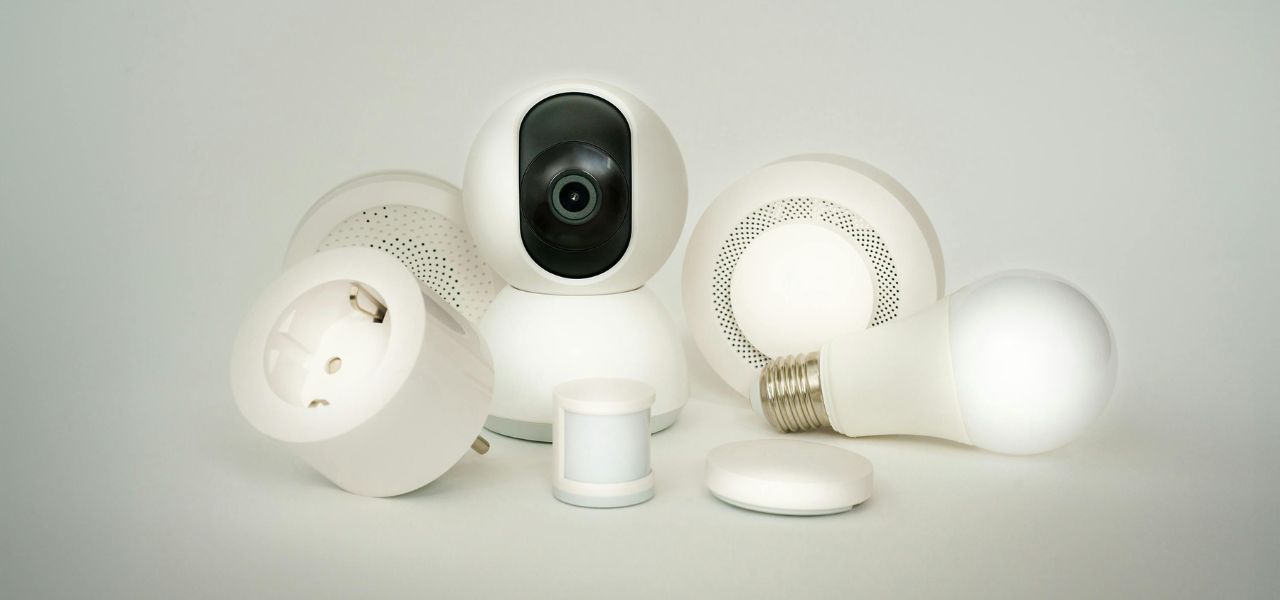
In the race to dominate India’s burgeoning smart home market, speed is currency. Yet, for a celebrated Indian consumer electronics brand (which we’ll refer to as ‘NexaHome’ under NDA), speed could not come at the cost of quality, differentiation, or robustness. Their ambition was clear: launch a flagship Smart Home Hub that was not another generic import, but a device engineered for the Indian home—with superior connectivity, vernacular voice support, and a design language that resonated locally. The catch? Their internal estimate for in-house development was 18 months. The market would not wait.
NexaHome partnered with Cionlabs on a mission-critical goal: Reduce time-to-market by at least 40% without compromising on their strategic vision. Here is how our co-design partnership delivered the hub in just under 11 months, creating a new blueprint for rapid, high-quality IoT development in India.
The Challenge: The “Build vs. Partner” Crossroads
NexaHome faced a classic innovator’s dilemma:
- Path A (In-House Build): Full control, but a slow, resource-intensive 18-month cycle with steep learning curves in RF design, certification, and supply chain management for a new product category.
- Path B (Off-the-Shelf White Label): Fast to market, but a generic product with no differentiation, poor margins, and no IP ownership—a direct threat to their premium brand equity.
- Our Proposed Path C (Strategic Co-Design): A partnership merging their deep market knowledge with our technical execution engine to achieve the best of both worlds: speed and sovereignty.
They chose Path C.
Phase 1: Strategic Sprint & Architecture Lock (Weeks 1-6)
We began not with components, but with a joint strategic workshop. The goal was to define the non-negotiables:
- Market Differentiator: “Best-in-class connectivity in dense urban apartments.”
- User Experience Pillar: “Vernacular voice-first control for the entire family.”
- Business Imperative: “Own the core IP and BOM cost structure.”
- Absolute Deadline: 11 months to mass production.
This clarity allowed us to move with precision. While their team focused on UX flow and industrial design, we parallel-tracked the technical architecture.
The Critical Decision: Based on the connectivity differentiator, we immediately recommended and locked the Beken BK7258 chipset. Its advanced Wi-Fi 6 capabilities and integrated DSP for far-field voice processing weren’t just features; they were the strategic enablers of NexaHome’s core goals. This early silicon selection, bypassing months of evaluation, was the first major time save.
Phase 2: Parallel-Path Execution & Agile Integration (Months 2-8)
Traditional linear development (design → prototype → test → redesign) was discarded. We ran agile, interconnected sprints:
- Hardware Sprints: Our team developed the core hub board based on the Beken silicon, focusing on RF layout optimization for Indian noise floors.
- Firmware Sprints: Concurrently, we built the foundational firmware for mesh networking and the voice pipeline, with weekly integrations.
- UX/ID Sprints: NexaHome’s team worked on the enclosure and app interface. We provided real-time feedback on PCB dimensions, thermal constraints, and mic array placement, eliminating costly late-stage redesigns.
The Co-Design Rhythm: Weekly alignment calls acted as synchronization points, not progress reports. When NexaHome’s user testing revealed a preference for a specific wake-word sound, our firmware team could adjust the audio processing parameters the same week. This tight feedback loop, impossible with an overseas ODM, prevented months of rework.
Phase 3: “Stress Kitchen” Validation & Certification Acceleration (Months 9-10)
Instead of a single prototype milestone, we employed a continuous validation model. Every two weeks, new hardware iterations were not only tested in our lab but also in our real-world “Stress Kitchen”—a simulated dense urban apartment setup with concrete walls and 30+ competing Wi-Fi networks.
Critical Time Savings Emerged Here:
- Pre-emptive Certification Readiness: Our experience with Indian standards (BIS, WPC) meant we designed for compliance from Day 1. When a pre-certification test revealed a marginal emissions spike, our RF team had a validated fix deployed in 72 hours, avoiding a 6-week timeline derailment.
- Supply Chain Parallel Processing: While final prototypes were validated, our supply chain team had already sourced and vetted components for the pilot production run, using our existing vendor networks to secure better lead times.
The Outcome: Launch in 11 Months
The NexaHome Smart Hub launched in 11 months from project kickoff—a 39% reduction from their original timeline.
The product achieved:
- 30% Better Range: Verified by third-party testers against leading competitors in dense urban environments.
- First-Mover Advantage: Captured critical shelf space and media attention ahead of the festive season.
- IP Ownership: NexaHome owns 100% of the design, firmware, and BOM, allowing for future iterations and margin control.
- Foundation for an Ecosystem: The hub is now a platform for their own branded smart devices, all connecting via the optimized, proprietary mesh.
The Co-Design Advantage: Why It Worked
This 40% acceleration was not magic; it was the result of a deliberate partnership model that eliminates the greatest time sinks in hardware development:
- Eliminated the Learning Curve: NexaHome did not need to build an entire IoT division overnight.
- Eliminated the “Black Box”: Continuous transparency prevented misalignment and surprise bottlenecks.
- Eliminated Linear Waiting: Parallel execution and agile integration turned months of sequential waiting into concurrent progress.
The Leadership Insight
For business leaders, the lesson is clear: In the IoT space, speed is not about cutting corners; it’s about cutting inefficiencies in the innovation process.
The choice is no longer between “fast and generic” or “slow and own.” Strategic co-design with a partner like Cionlabs—leveraging deep silicon-level expertise with Beken and a proven India-centric process—creates a third path: Fast, Owned, and Optimized for Your Market.
Is your IoT product timeline being stretched by technical complexity or resource constraints?
Contact Cionlabs to explore how our co-design partnership model can compress your time-to-market while elevating your product’s strategic value. Let us show you how a 40% acceleration is not just possible, but predictable.