

Blog
Medical Device Licensing in India: How White Label Hardware Cuts Regulatory Timelines by 5 Months

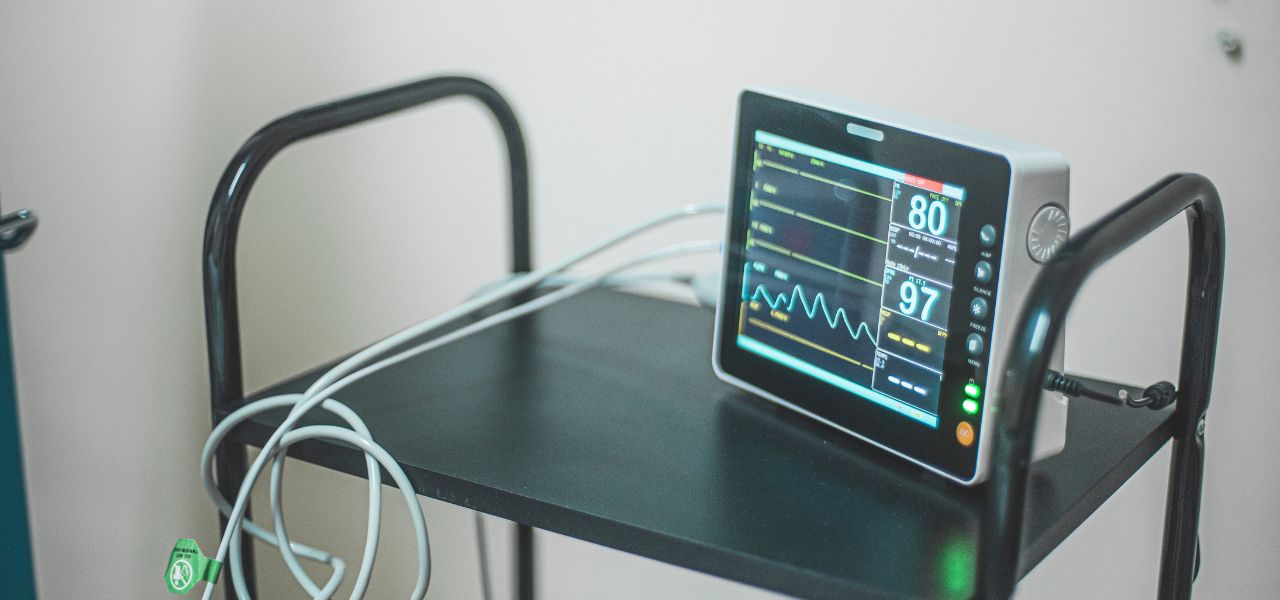
Your software team has built an impressive remote patient monitoring platform. Your clinical validation shows genuine improvement in postoperative outcomes. You have pilot commitments from two mid-sized hospital chains in Maharashtra. Then you hit the wall. The hardware.
Medical device licensing in India is not slow by accident. It is slow by design. The Central Drugs Standard Control Organization, or CDSCO, requires evidence of electrical safety, electromagnetic compatibility, biocompatibility, and performance stability. Each of these demands a hardware design that is frozen, documented, and tested.
If you are building that hardware from scratch, you are looking at 9 to 12 months before you can even submit your application. If you white label an existing certified design, that timeline drops to 4 months or less. The difference is not incremental. It is existential for a startup’s runway.
The Anatomy of a 9 Month Hardware Licensing Timeline
Let us break down what a typical in house hardware development cycle looks like for a connected medical device in India.
Month one and two are requirements and component selection. You choose a Wi-Fi chipset, a microcontroller, sensors, and power management. You assume everything will work.
Month three is the first PCB layout. It will have mistakes. Ground loops, antenna tuning issues, thermal problems. You respin.
Month four is the second prototype. It works partially. The Wi-Fi reconnection after power cycle is unstable. You debug.
Month five is the third prototype. You finally have a stable board. Now you send it for electrical safety testing, or IEC 60601. It fails because of leakage current. You redesign the power isolation stage.
Month six is the fourth prototype. It passes internal testing. You submit to an accredited lab for formal certification. The lab finds three more non compliances. Each fix takes two to three weeks.
Month seven and eight are certification re tests, documentation, and technical file compilation. You also need biocompatibility for any skin contacting parts.
Month nine is the CDSCO submission. Then you wait for their review. This entire timeline assumes no major supply chain disruption for critical components.
Nine months. And you have not sold a single unit.
How White Label Hardware Changes the Math
A white label medical device hardware platform is not a generic development board. It is a fully engineered, certified ready product that lacks only your firmware, your brand, and your specific clinical algorithms.
Cionlabs maintains a portfolio of medical device reference designs built around Beken Wi Fi chipsets. These designs include patient vital signs monitors, temperature loggers for cold chain, and wearable alert devices. Each design has already been architected for IEC 60601 electrical safety. Each design has already solved the antenna isolation problem. Each design has already passed thermal testing for Indian ambient conditions.
When you white label one of these platforms, you are not starting a hardware project. You are skipping directly to integration and documentation.
The 4 Month White Label Licensing Roadmap
Here is the realistic timeline with Cionlabs as your white label partner.
Month one: Platform selection and firmware porting. You choose a base design that matches your clinical requirements. Cionlabs provides the hardware design package and Beken Wi Fi SDK integration. Your team ports your data protocols and cloud authentication logic. No hardware development. No PCB layout. No thermal validation.
Month two: Delta testing and risk management file. Because the base hardware is already qualified, you only need to test the differences. Your specific sensor calibration. Your specific battery configuration. Your specific enclosure material if changed. Cionlabs provides the technical documentation template for CDSCO submission.
Month three: Accredited lab testing. This step cannot be skipped. However, white label hardware typically passes on the first attempt. The isolation, creepage distances, and EMI filters are already proven. Lab testing takes four to six weeks. No respins. No redesigns.
Month four: CDSCO submission and manufacturing readiness. Your technical file is complete. Your quality management system documentation is aligned with the base design. You submit. While CDSCO reviews, you place your first production order for white label units with your branding.
The Five Months You Save, Explained
Where do the five months go? They disappear from the most painful parts of the hardware cycle. The first PCB respin is eliminated. That saves one month. The thermal and EMC debug cycle is eliminated. That saves another two months. The redesign for safety compliance is eliminated. That saves two more months.
You do not lose any regulatory rigor. You lose only the learning curve. And in medical devices, the learning curve is where startups fail.
Real Regulatory Impact for Indian MedTech Founders
Consider a company building a connected SpO2 and temperature patch for post discharge monitoring. The device is Class B under Indian medical device rules. It requires CDSCO approval.
Going the custom hardware route, this founder will spend at least ₹40 lakhs on engineering, testing, and certification rework before seeing a license. The white label route with Cionlabs typically reduces that to ₹15 lakhs or less. More importantly, the founder launches in 4 months instead of 9 months. That is 5 months of additional revenue, additional patient data, and additional investor confidence.
In a market where smart medical device adoption is growing at 22 percent annually according to an Invest India report, five months can separate market leadership from also ran status.
What You Control, What You Inherit
You control the clinical algorithm, the user application, the doctor dashboard, the data privacy policy, and the brand. You inherit the hardware reliability, the certification readiness, the Beken Wi Fi stability, and the manufacturing supply chain.
This is not a compromise. This is the difference between building a medical device company and building a PCB assembly line.
A Note on CDSCO’s Evolving Stance
The CDSCO has shown increasing openness to software as a medical device, or SaMD, and combination products. However, the hardware gateway or the sensing element remains a regulated medical device in most cases. Regulators will not accept an untested board simply because your software is excellent. The hardware must stand on its own.
White label hardware from an experienced partner like Cionlabs provides exactly that standing. Proven, documented, and ready for submission.
The One Question for Your Next Board Meeting
Ask your team this question. Do we want to spend the next nine months debugging leakage current and antenna patterns under IEC 60601? Or do we want to spend the next four months integrating our algorithms onto a certified platform and treating patients?
India needs more medical device innovation. India does not need more entrepreneurs reinventing the power isolation circuit.
Cionlabs has the certified ready hardware. Beken has the reliable Wi Fi connectivity. You have the clinical insight and the regulatory strategy. Let us get your device licensed and into Indian hospitals without wasting five months on preventable delays.
Ready to cut your licensing timeline by five months? Contact Cionlabs for a white label medical device briefing.