

Blog
Prepaid Energy Meter Retrofitting for Indian Rental Housing: The Business Case for a Beken Based Add On Module

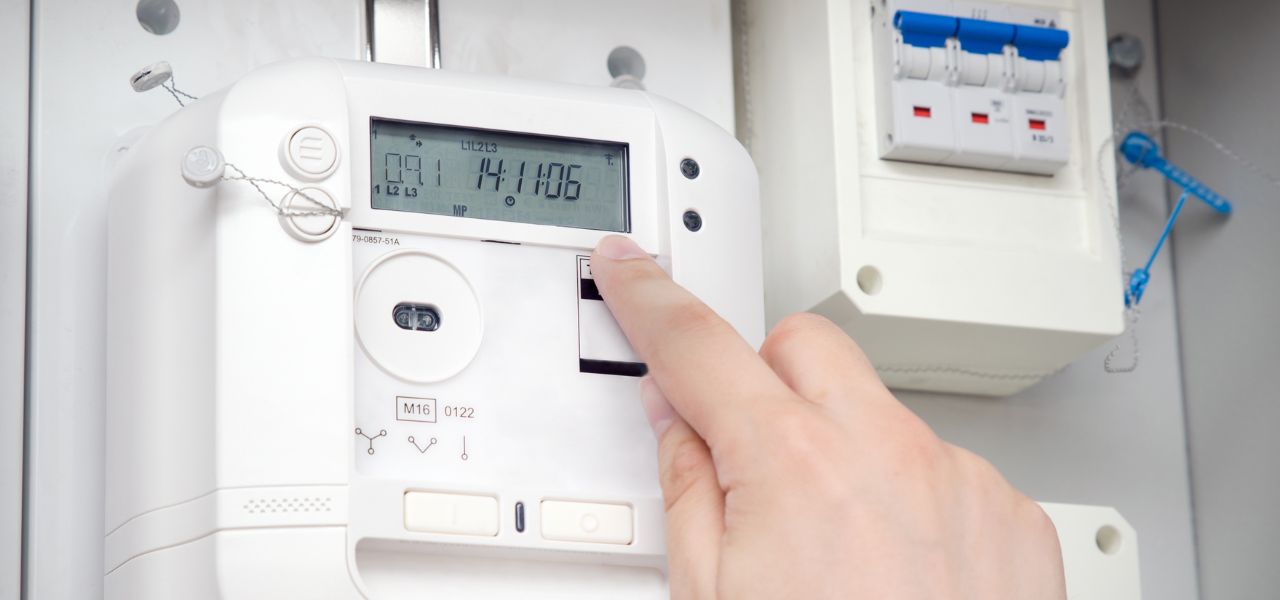
India has 11 million vacant rental units according to a 2025 industry estimate. The real problem is not vacancy. The problem is collection. Every landlord in Mumbai, Bengaluru, Gurugram, and Pune knows the same story. A tenant occupies the property for six months, accumulates electricity bills under their own name, and leaves without paying the final two months. The discom does not care. The liability falls on the owner.
The solution already exists in other markets. Prepaid energy metering. However, replacing an entire meter in India requires discom approval, weeks of downtime, and a capital expense that most individual landlords or small housing societies cannot justify.
There is a faster way. A retrofittable add-on module that sits between the existing meter and the consumer load, with Beken Wi Fi inside, enabling prepaid functionality without touching the discom meter. This is a white-label opportunity waiting for the right energy startup or real estate technology company.
The Unspoken Cost of Postpaid Rentals
Let us quantify the problem. A typical two-bedroom apartment in a Tier 1 Indian city consumes 300 to 500 units per month. At an average rate of ₹7 per unit, the monthly bill is ₹2,100 to ₹3,500. A tenant who defaults on two months of electricity plus security deposit adjustment leaves the landlord with a net loss of ₹6,000 to ₹10,000 per incident. Multiply this by five properties over two years, and the loss exceeds ₹50,000.
This does not include the administrative headache. Chasing tenants, filing police complaints that go nowhere, and explaining to the next tenant why the previous tenant’s bill is unpaid.
Discoms have no incentive to solve this. Their revenue is guaranteed regardless of who pays. The landlord is the only stakeholder holding the risk.
Why Retrofitting Beats Meter Replacement
A full smart meter replacement in India costs between ₹3,500 and ₹6,000 per unit, including installation and discom fees. The approval process alone can take 45 to 90 days. For a landlord with ten units, the upfront capital requirement is ₹50,000 or more. The return on investment takes three to four years purely from theft prevention.
A retrofittable add-on module changes this math. The device clamps around the incoming live wire after the discom meter. It measures current using a non-invasive current transformer. It controls the load using a latching relay. It communicates with a landlord app via Beken Wi Fi. The tenant recharges through UPI. The module costs under ₹1,500 in the bill of materials for volumes of 5,000 units.
The landlord does not need the discom permission. The existing meter remains untouched. Installation takes 15 minutes per unit by any licensed electrician.
The Beken Advantage for Rental Housing Conditions
Indian rental housing presents unique connectivity challenges. The meter is often located on the ground floor common area, in a basement, or outside the building. The landlord wants to monitor twenty units from their home two kilometers away. The tenant wants to check the balance without walking to the meter.
Beken Wi Fi chipsets, specifically the BK7238 series, are designed for exactly this scenario. They offer strong receive sensitivity for meter locations with poor signal. They reconnect automatically after power cuts, which are common in the summer months across most Indian cities. They consume minimal power, allowing the module to operate from a small capacitive power supply drawn directly from the incoming mains.
Most importantly, Beken chips are cost-optimized for Indian price points. A landlord will not pay ₹3,000 for a retrofit module. They will pay ₹1,800 to ₹2,200. Beken makes that price possible without compromising on range or reliability.
The White Label Business Model for Startups
An Indian energy startup or real estate technology company does not need to design this module from scratch. Cionlabs offers a production-ready reference design built around Beken Wi Fi. You white-label it. You add your landlord dashboard, your tenant UPI integration, and your branding. You go to market in 10 to 12 weeks.
The target customer segments are clear. Owner associations in Tier 1 cities with twenty or more rental units. Co-living operators with 100 to 500 beds. Real estate asset managers handling portfolios of fifty-plus properties. And increasingly, individual landlords who own two or three units want a simple plug-and-play solution.
The pricing model can be flexible. One-time device sale at ₹1,999 per unit. Or a revenue share model where the startup takes 10 percent of each recharge. The latter aligns incentives perfectly. Your revenue grows only when the landlord recovers their dues.
Regulatory Considerations in India
Prepaid metering retrofitting exists in a regulatory grey zone. You are not modifying the discom meter. You are adding a downstream load controller. Most state electricity regulatory commissions have no specific prohibition against this, provided you do not bypass the original meter or tamper with its calibration.
The safer path is to position the device as a landlord-tenant dispute resolution tool rather than a discom replacement. Several co-living operators in Bengaluru and Hyderabad have deployed similar solutions without regulatory pushback. Cionlabs can guide you through the compliance documentation, including BIS and TEC waivers for low-power add-on devices.
The ROI Math for a Landlord
Consider a landlord with twenty rental units. Each unit has a default risk of once every two years at a loss of ₹8,000. That is an annual expected loss of ₹80,000 across the portfolio. The cost to retrofit all twenty units with a white-label prepaid module is approximately ₹40,000 at an assumed device price of ₹2,000 per unit.
The payback period is six months. After that, every prevented default is pure profit. The landlord also gains a new capability. They can offer flexible payment plans to good tenants, as weekly recharges for daily wage earners, without increasing their own risk.
What You Build Versus What You Buy
You build the software. The tenant app, the recharge gateway, the automated disconnection logic, and the analytics dashboard. That is your competitive moat. You buy the hardware. A proven, field-tested, Beken based add on module from Cionlabs. That is your speed to market.
You do not want to debug the current transformer linearity across twenty different meter brands. You do not want to redesign the relay driver because the first batch failed after three months. You want to acquire landlords, process recharges, and scale. Hardware design is not your core competency. Do not pretend it is.
A Market Ready for Takeoff
The Indian rental housing market is massive and unorganised. Approximately 40 percent of urban households live in rented accommodation. Most landlords are not institutions. They are individual investors who want simple, reliable, low-cost solutions to a problem they face every year.
A white-label prepaid energy metering retrofit module with Beken Wi Fi inside is not a feature. It is a category creator. The first mover in this space will define the standard. That could be you.
Cionlabs has the reference design. Beken provides the connectivity. You bring the brand, the distribution, and the landlord relationships. Twelve weeks from signed agreement to first production batch. No hardware surprises. No regulatory ambiguity. Just a product that solves a real Indian problem.
Ready to capture the rental housing prepaid energy market? Contact Cionlabs to discuss your white-label module requirements.