

Blog
LPG Cylinder Level Monitoring for Indian Households: A White Label Sensor That Saves Refill Cycle Costs

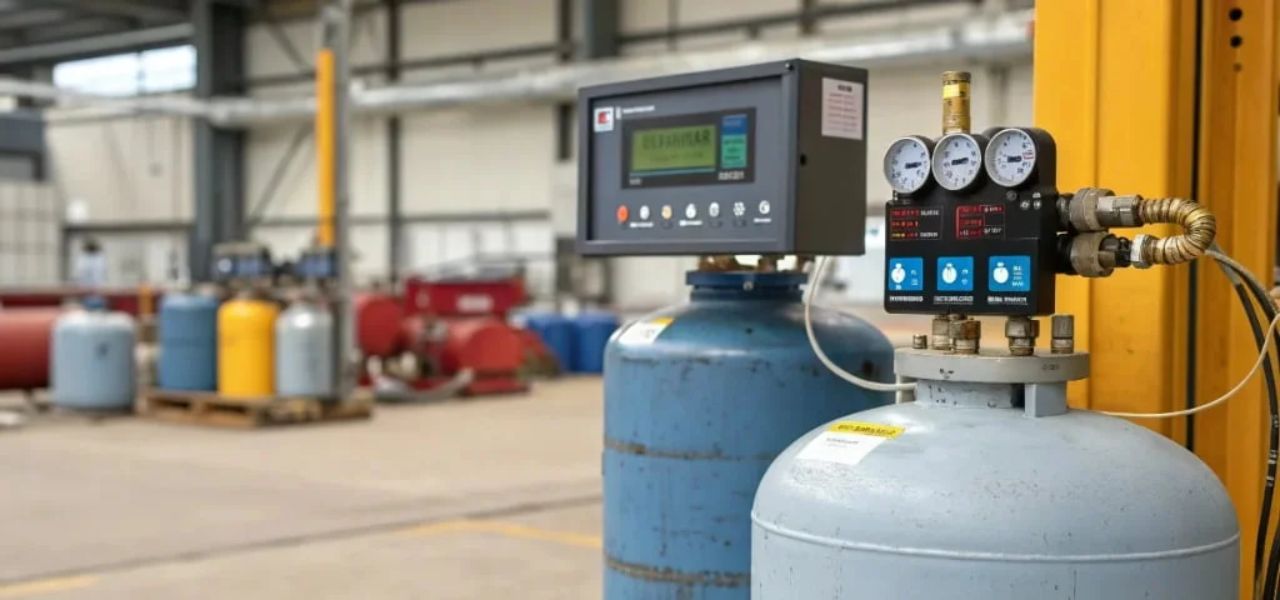
India has over 330 million LPG consumers. The majority still use a 14.2 kilogram cylinder. The majority also run out of gas at the worst possible time. A Sunday morning. A festival day. A late night meal preparation.
The current system is broken. Households rely on a manual weight check, a vague memory of the last booking, or the flame test. The flame test is unreliable. It also creates a safety risk. For a business serving these households, this broken system represents a massive white label opportunity.
An LPG cylinder level monitoring sensor with Wi-Fi connectivity can eliminate the guesswork. It can automate reordering. It can integrate with existing booking platforms. And it can be delivered as a white label product under your brand in weeks, not years.
Here is the business case.
The Cost of an Empty Cylinder
The direct cost of an empty LPG cylinder is the price of a refill. That is between ₹800 and ₹900 depending on the state. The indirect cost is much higher. A household that runs out of gas may order delivery food for two days. They may use an electric heater. They may borrow a small cylinder from a local vendor at a premium.
Data from a 2023 survey of urban Indian households suggests that unplanned empty cylinder events cost each household an average of ₹350 to ₹500 per incident in substitution expenses. For a city like Delhi or Bengaluru, a typical household experiences 1.5 unplanned empty events per year. The national extrapolation runs into hundreds of crores of rupees.
A smart sensor solves this. The household books a refill when the cylinder reaches 15 to 20 percent remaining. No rush. No emergency premium. No cold dinner.
How a White Label Wi-Fi Sensor Works
The technology is straightforward. A load cell or ultrasonic sensor measures the weight or fill level of the cylinder. Beken Wi-Fi transmits that data to your cloud platform. The household sees the level on a mobile app. When the level crosses a threshold, the app triggers a reorder request to the nearest distributor.
The sensor does not need a color screen. It does not need voice control. It needs low power, reliable connectivity, and a mounting mechanism that works with India’s mixed cylinder designs from multiple manufacturers.
Beken’s Wi-Fi chipsets, particularly the BK7231 series, are well suited here. They offer deep sleep current under 20 microamps. A single set of AA batteries can last six to eight months. The Wi-Fi reconnection after a power outage or router reboot happens in seconds. For a household device, this reliability is non negotiable.
White Label Advantages for Your Brand
You are a smart home brand with an existing app and customer base. You have thousands or lakhs of users. Adding LPG monitoring to your portfolio makes strategic sense. Building it from scratch does not.
A fully custom design would require mechanical engineering for cylinder compatibility, firmware development for power optimization, certification testing, and supply chain management for the sensor components. That process takes nine months at minimum. It also carries significant risk. The first field trial may reveal that your sensor works perfectly with one cylinder brand but fails with another.
The white label model eliminates this risk. Cionlabs has already designed, tested, and certified a Beken based LPG monitoring sensor for Indian conditions. The mounting mechanism works with the standard 14.2 kg cylinder as well as the 5 kg commercial cylinder. The firmware includes over the air update capability. The power management has been validated across temperature variations from 10°C to 50°C.
You take this reference design. You load your firmware. You add your app integration. You brand the hardware and packaging. You go to market in 10 to 12 weeks.
The Unit Economics That Work for India
The challenge for any LPG sensor in India is price sensitivity. A household will not pay ₹3,000 for a monitoring device. The acceptable price point for a smart home accessory in most Indian urban households is between ₹1,200 and ₹1,800 depending on the perceived value.
Achieving that price point requires volume and component selection. Beken Wi-Fi chips are priced competitively against imported alternatives. The sensor, battery, and PCB can be configured to land at a bill of materials under ₹900 for volumes above 10,000 units. With assembly and packaging, the landed cost to your brand can be under ₹1,200. A retail price of ₹1,699 leaves healthy margin for distribution and marketing.
The recurring value is even more compelling. If your platform integrates with a booking partner, you can earn a transaction fee per refill. A household orders six to eight refills per year. A ₹5 fee per transaction across one lakh active devices generates ₹30 lakh to ₹40 lakh of annual recurring revenue from hardware you sold once.
The Regulatory and Behavioral Tailwind
The Government of India has pushed for digital LPG booking through platforms like the Unified Interface. Consumers are already comfortable with app based reordering. What they lack is a trigger. They forget to check the cylinder. They underestimate how quickly the last 2 kilograms will be consumed.
A Wi-Fi sensor removes the human forgetfulness factor. It also reduces the load on customer support centers. Distributors receive fewer calls asking for emergency deliveries. The entire supply chain becomes more predictable.
For a brand entering this space, the timing is right. The hardware is affordable. The consumer behavior is trained. The only missing piece is a reliable, white label ready design.
What You Build, What We Build
You build the consumer brand. You build the mobile app experience. You build the partnership with LPG distributors or booking aggregators. You build the analytics that predict city wide refill demand.
Cionlabs builds the hardware. The Beken Wi-Fi integration. The power management circuit. The mechanical housing that clips onto the cylinder without tools. The certification file for BIS and TEC. The supply chain that delivers assembled units to your warehouse.
You do not build a hardware engineering team. You do not debug antenna performance. You do not wait for component lead times. You focus on customers and growth.
The Question for Your Next Board Meeting
Your team is probably discussing smart plugs, smart bulbs, and smart cameras. Those categories are crowded. Margins are compressing. Customer acquisition costs are rising.
LPG monitoring is a blue ocean. Every Indian household is a potential customer. The problem is universal. The solution is simple. The technology is proven. And a white label path means you can be first to market without taking hardware risk.
Cionlabs has the Beken based reference design ready for your brand. The sensor works. The connectivity is reliable. The cost is right for Indian households.
The only question is whether you will launch in the next quarter or watch someone else do it.
Ready to bring a white label LPG cylinder monitor to market in 12 weeks? Contact Cionlabs for a commercial and technical briefing.