

Blog
White-Label Smart Beds for Indian Senior Care: ROI Beyond the Hype

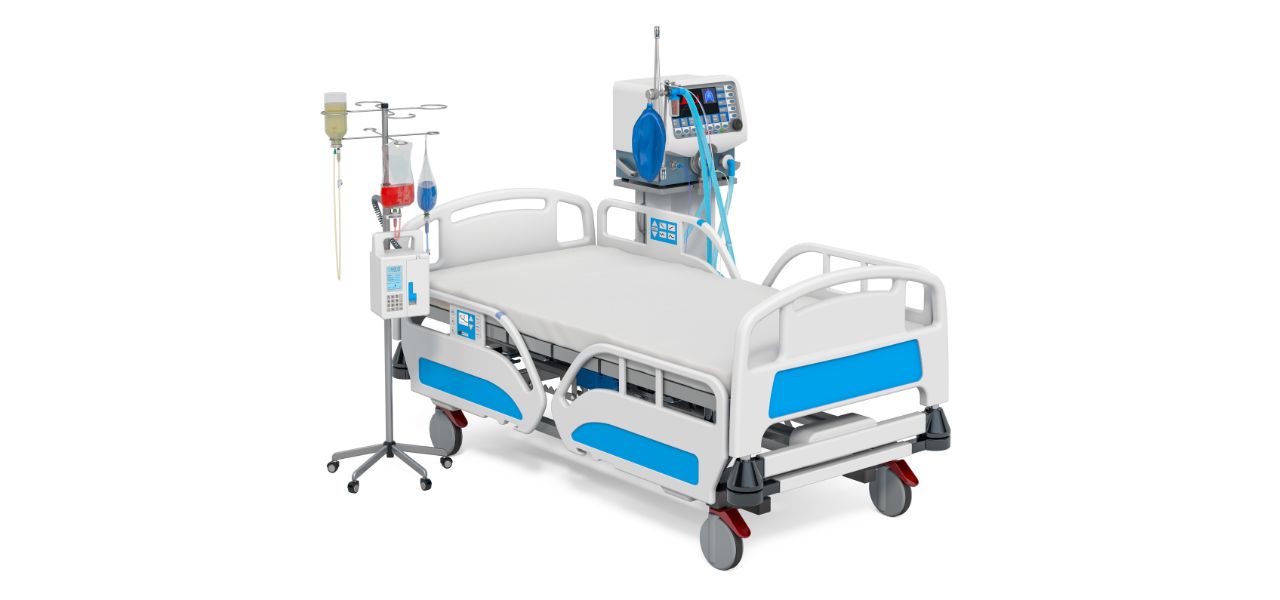
The Indian senior care market is at an inflection point. With a projected 20% population growth among those over 60 by 2030, organized care providers face a brutal reality. Their margins are being compressed by staffing shortages, while families demand clinical-grade safety. The solution being touted is the smart bed. But for most CTOs and Heads of Innovation in India’s healthcare and senior living sectors, the technology has felt like a costly Western import. High ticket prices, fragile sensors, and unreliable cloud connectivity have killed previous pilots.
It is time to look beyond the hype and examine the real ROI. For Indian manufacturers and senior care chains, the answer is not an expensive proprietary system. It is a white-label smart bed designed specifically for Indian conditions. One that leverages reliable connectivity like Beken Wi Fi chipsets and the custom engineering expertise of a partner like Cionlabs.
The Three Hidden Costs of Traditional Senior Care Beds
To understand the ROI of smart beds, you must first quantify what you are losing today.
First, there is fall-related liability. A single hip fracture in a senior care facility in a metro city can lead to a family dispute, regulatory scrutiny, and settlement costs exceeding INR 15 lakhs. Traditional beds do not alert staff until after a fall occurs.
Second, there is nocturnal wandering and pressure ulcers. Indian nurses in organized facilities manage a ratio of 1 to 15 patients on a night shift. They cannot perform manual rounds every 15 minutes. The result is longer hospital readmission rates and higher nursing attrition.
Third, there is energy and climate unreliability. Imported smart beds use power-hungry sensors that drain backup batteries. In Indian tier 2 cities where voltage fluctuates and inverters are common, these beds become expensive paperweights.
The White Label Advantage for Indian Conditions
A properly engineered white-label smart bed eliminates these three costs. The design must start with connectivity. Most failures in Indian senior care occur not because the sensor failed, but because the Wi Fi dropped. This is where Beken chipsets become critical.
Beken provides Wi Fi connectivity that is optimized for dense environments with thick concrete walls and interference from other medical devices. For a senior care facility, the bed must transmit three data streams continuously. These are patient presence, movement amplitude for restlessness detection, and pressure mapping for bed exit alerts.
A custom design from Cionlabs using Beken silicon achieves sub-second latency on bed exit alerts while consuming less than 200 milliwatts. This matters because Indian senior care facilities rely on inverter backup during power cuts. A low-power design keeps the safety system active for 8+ hours on a standard UPS. Imported beds often drain the same battery in 90 minutes.
Calculating the Real ROI
Let us use a realistic example. A 100-bed senior care facility in a place like Pune or Coimbatore.
Capital expenditure for imported smart beds is approximately INR 1.5 lakhs per bed. A white-label solution from Cionlabs targeting the same specifications costs roughly INR 55,000 to INR 65,000 per bed in volumes of 500 units. That is a 60% reduction in upfront cost.
But the operational ROI is more compelling. With accurate bed exit alerts, a facility can reduce night shift nursing requirements by 20%. For a 100-bed facility, that saves approximately INR 12 lakhs annually in staffing costs.
More significantly, fall prevention reduces legal and medical liability. A single avoided fall pays for 10 smart beds. Pressure ulcer prevention reduces nursing time for turning schedules by 30 minutes per patient per day. That saved time can be redirected to higher-value care.
The payback period for a white-label smart bed deployment is typically 9 to 14 months. Imported systems rarely break even within three years.
Why Cionlabs for This Specific Use Case
Building a medical-grade smart bed is not about assembling commodity sensors. It requires understanding Indian clinical workflows. The bed needs to integrate with existing nurse call systems. It must handle high humidity during monsoons without sensor drift. And it must be easy to clean with aggressive hospital-grade disinfectants.
Cionlabs brings over a decade of experience in medical device design for the Indian market. We partner with Beken to ensure that the Wi Fi module is not an afterthought but the architectural backbone. Our white-label service provides you with a complete hardware and firmware stack. You can brand it as your own, differentiate it with your software layer, and control the service lifecycle.
We handle the regulatory paperwork for WPC approval and medical device certification. You handle the customer relationship and the recurring revenue model.
Moving Beyond the Hype
The smart bed is not a futuristic gimmick. For Indian senior care, it is a risk mitigation tool with a clear financial return. But only if the hardware is priced for Indian margins and ruggedized for Indian infrastructure.
The era of expensive, imported, fragile IoT is ending. The winning facilities will deploy white-label solutions that are engineered locally, connected reliably with Beken, and brought to market quickly by Cionlabs.
If you are a senior care chain, a hospital group, or a manufacturer looking to enter the medical bed category, do not reinvent the wheel. Do not overpay for foreign brands. Partner with a design house that understands your balance sheet and your climate.
Contact Cionlabs to review your smart bed requirements. We will show you a reference design, a bill of materials, and a deployment timeline that finally makes financial sense for India.