

Blog
Why Indian Gated Communities Need Edge-Based Face + Wi-Fi, Not Cloud

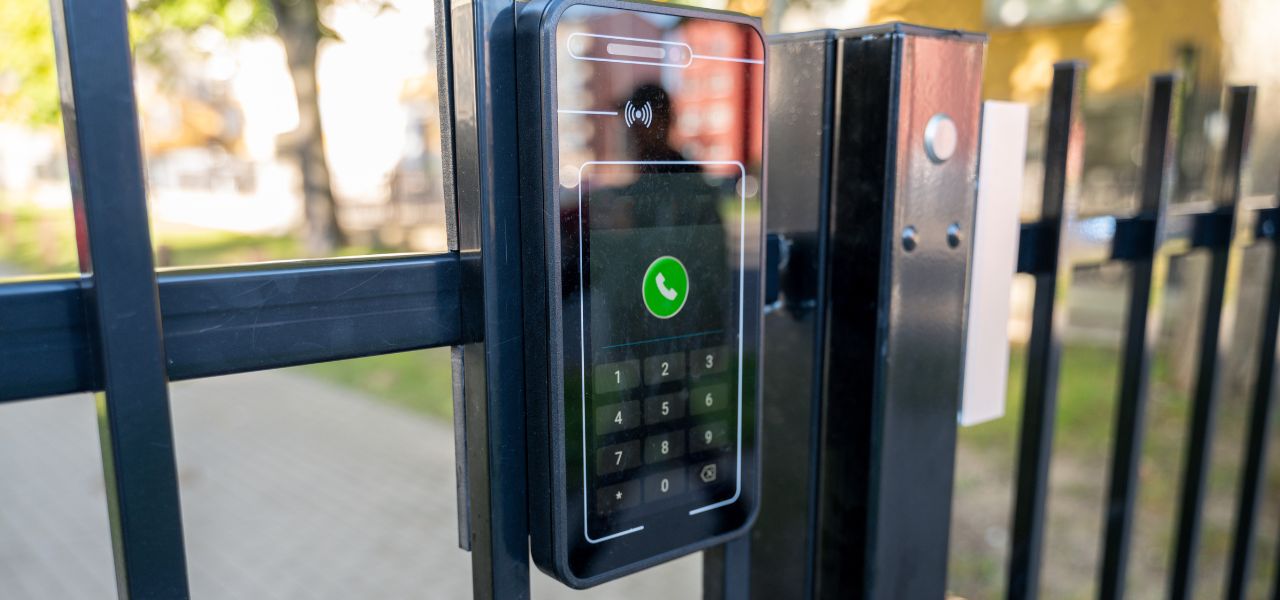
For years, the Indian gated community has been sold a simple promise. The promise that the cloud solves everything. Take a face scan. Send it to a remote server. Wait for a response. Open the gate.
It works beautifully in a Silicon Valley demo. It fails regularly in a Gurugram summer.
The reality for India’s mid to large residential enclaves is different. Internet drops. Power fluctuations. Peak hour traffic jams at the main gate. And a growing unease about where resident biometric data actually lives.
The smart solution is not a faster internet connection. The smart solution is to remove the internet dependency entirely.
The Three Cloud Traps for Indian Communities
First, latency kills trust. When 200 families exit between 8:00 and 9:00 AM, a cloud dependent face recognition system queues each request. Each upload takes two to three seconds. Multiply that by hundreds of entries daily. The result is a backlog, frustrated residents, and security guards overriding the system with a manual button. Once the override becomes routine, security becomes theater.
Second, the data liability problem. India’s Digital Personal Data Protection Act (DPDA) 2023 places strict obligations on entities processing biometric data. If a community’s face templates are stored on a third party cloud server outside Indian jurisdiction, who is the data fiduciary? The builder? The residents’ association? The security vendor? Most cloud first systems cannot answer this question clearly. Edge based storage keeps biometric templates within the community’s physical premises. No data leaves. No compliance grey area remains.
Third, the power and internet reality. Indian gated communities experience at least four to six grid fluctuations daily. Cloud based systems require stable upload bandwidth. When the internet drops, the gate becomes manual. Edge based systems continue operating because recognition happens locally on a device powered by battery backup.
Why Edge Plus Wi-Fi Is the Correct Architecture
The optimal design is straightforward. Perform face recognition at the edge. Use Wi-Fi for coordination, not for processing.
A resident approaches the gate. The edge camera captures the face. The onboard processor runs the matching algorithm locally. A lightweight signal over Beken powered Wi-Fi informs the gate controller, logs the entry, and updates the central dashboard. The cloud receives only an audit record, not the biometric transaction itself.
This architecture delivers three business advantages for security system manufacturers and system integrators.
First, predictable performance. Recognition latency drops below 200 milliseconds regardless of internet quality. That meets resident expectations. It also reduces the security guard’s workload, allowing them to focus on exception handling rather than routine access.
Second, lower operating costs. Cloud based systems incur recurring API call charges, data storage fees, and egress costs. An edge system uses cloud only for aggregated reporting and firmware updates. The monthly cloud bill reduces by 70 to 80 percent.
Third, faster regulatory clearance. The Ministry of Electronics and Information Technology (MeitY) has signaled stricter enforcement for biometric data leaving local premises. An edge first architecture with local storage clears compliance hurdles faster. For security OEMs, this means shorter pilot to deployment cycles.
The White Label Opportunity for Indian Brands
Most global access control systems are designed for enterprise offices, not Indian residential gates. They assume consistent power, redundant internet, and air conditioned equipment rooms. None of these assumptions hold for a typical Bengaluru or Noida apartment complex.
This is where a local white label strategy wins. A security brand can take a proven edge computing reference design, integrate Beken’s reliable Wi-Fi for gate controller communication, and launch a product tailored to Indian conditions within 12 to 14 weeks. No RF team required. No firmware team from scratch. Just a focused go to market strategy with a partner who has already solved the thermal, power, and latency challenges.
The resulting product offers a clear value proposition to residents’ welfare associations. Faster entry. Better privacy. Lower monthly fees. No cloud dependency.
A Practical First Step
For CTOs and Heads of Innovation in India’s security and smart home sectors, the question is no longer whether edge based face recognition works. It works reliably. The question is how quickly you can replace your cloud dependent legacy product with a hybrid edge plus Wi-Fi architecture.
Start with a single community pilot. Install edge devices at one gate. Keep the cloud system as a backup. Measure the latency difference. Track the support tickets. After 30 days, the data will make the decision for you.
The Indian gated community does not need more cloud. It needs faster gates, lower risk, and smarter edge processing. That future is available today. And it runs on local compute, local Wi-Fi, and local intelligence.
Contact Cionlabs for white-label solution for Facial Recognition at the Edge.