

Blog
Single-Phase vs. Three-Phase: White-Label Wi-Fi/BLE Energy Meters for Indian Discoms

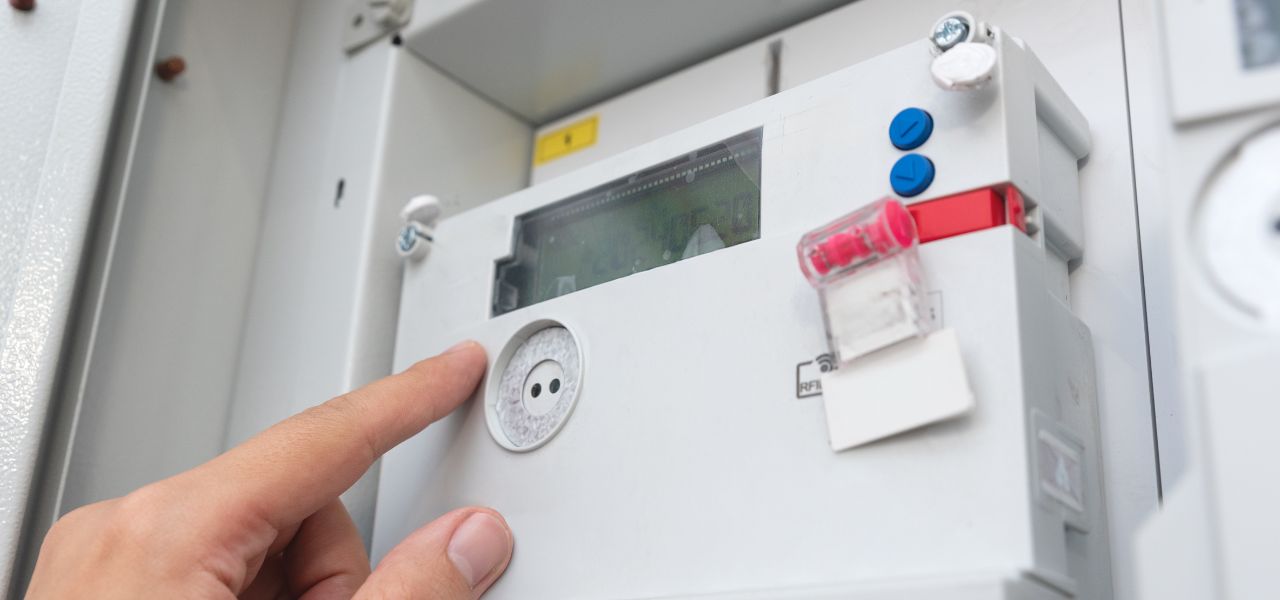
India’s national smart metering rollout, under the RDSS (Revamped Distribution Sector Scheme), targets replacing 250 million conventional meters. The ambition is clear. The execution is brutal. The gap between a sanctioned pilot and a state wide deployment often collapses under one reality: connectivity reliability and cost per unit.
Most DISCOMs and local OEMs assume that cellular (4G/NB IoT) is the only path forward. That assumption is bleeding operational budgets. A white-label WiFi/BLE-based energy meter, designed specifically for Indian grid conditions, offers a faster, cheaper, and surprisingly more reliable alternative. But only if you understand the non-negotiable difference between single-phase and three-phase design, and why a one-size-fits-all imported module will fail.
The Indian Market Reality: Why Cellular Is Not Enough
Cellular modules require a recurring SIM subscription. For a DISCOM with 5 million meters, that recurring fee can exceed ₹300 crore annually just in data costs. Furthermore, basement installations in Delhi NCR, rural feeder rooms in Uttar Pradesh, and high rise meter banks in Mumbai often have zero cellular signal. Wi Fi, by contrast, uses existing household or colony gateways or a low cost local aggregator.
The catch is that Indian power lines are not laboratory grade. Voltage sags, neutral failures, and extreme harmonic distortion are routine. A European or Chinese reference design will lock up or lose calibration within weeks. This is where Beken’s Wi Fi chipsets, combined with Cionlabs’ custom power conditioning, create a white label advantage.
Single Phase: The Volume Game for Residential India
Over 85% of Indian residential consumers are on single phase supply. The business case here is purely cost per unit and tamper detection.
- ROI Driver: Replace manual meter reading with daily automated billing. Reduce aggregate technical and commercial (AT&C) losses by identifying theft within hours, not months.
- Technical Requirement: The Wi Fi radio must wake, transmit 15 minute interval data, and sleep within 200 milliseconds. Beken’s ultra low power duty cycling allows a single phase meter to operate without a separate power supply drain. Cionlabs designs the front end power circuitry to handle 300V spikes from air conditioner switching.
- White Label Opportunity: Local panel manufacturers can launch their own brand of “Smart Wi Fi Meter” within 12 weeks. Cionlabs provides the certified PCB assembly with Beken inside. You provide the enclosure and distribution channel.
Three Phase: The Reliability Challenge for Commercial and Industrial
Three phase meters serve small factories, commercial complexes, and agricultural feeders. The stakes are higher. A wrong reading on a three phase connection can mean billing errors of ₹50,000 per month per connection. The technical problem is also different. Three phase systems generate electromagnetic interference that kills standard Wi Fi modules.
- ROI Driver: Demand side management. With a three phase Wi Fi meter, a DISCOM can send a load limit command during peak evening hours. Industrial consumers get a lower tariff in exchange. The meter pays for itself in one peak season.
- Technical Requirement: Galvanic isolation and independent power supplies for each phase. Beken’s chipset supports dual antenna diversity, critical when the meter is inside a metal cabinet. Cionlabs’ custom firmware includes a phase rotation detection algorithm, a mandatory requirement for Indian grid compliance (IS 16444).
- White Label Advantage: No energy OEM wants to maintain a separate R&D team for connectivity. Cionlabs delivers a tested, BIS ready, three phase baseboard. You focus on the billing software and DISCOM tenders.
Regulatory and Supply Chain Realities
Indian smart meter specifications (IS 16444 Part 1 and 2) do not mandate cellular. They mandate data security and local storage. Wi Fi with TLS 1.2 encryption meets this requirement fully. However, the trap is in the radio frequency certification. Most imported Wi Fi modules lack WPC (Wireless Planning and Coordination) approval for Indian spectrum usage.
Cionlabs has pre certified Beken based designs with WPC. This reduces your approval timeline from six months to zero. Furthermore, Beken maintains local stock in India. You are not waiting for eight weeks on a Shanghai shipment. You are building meters in Pune or Noida with a two day lead time.
Risk Reduction: The Hidden Cost of Custom Development
We see this repeatedly. A DISCOMs innovation cell writes a tender for “Wi Fi enabled meters.” A local assembler buys cheap modules from an online marketplace. Six months later, 40% of meters are offline. The reason is not the Wi Fi protocol. It is the power supply capacitor rated for 85°C when Indian metal boxes touch 75°C ambient and 105°C internal.
A white label partnership with Cionlabs means you inherit ten years of Indian field data. We know which Beken chip variant survives the saline coastal air of Gujarat. We know which PCB coating prevents fungus growth in Kerala monsoon conditions. You do not need to learn these lessons through a failed pilot.
The Path to Deployment
For energy OEMs and DISCOMs, the decision is not single phase versus three phase. Both are necessary. The decision is whether to build a connectivity team from scratch or to adopt a proven white label platform.
Single phase Wi Fi meters deliver volume and theft reduction. Three phase Wi Fi meters deliver demand response and industrial billing accuracy. Both, when built around Beken’s silicon and Cionlabs’ system design, operate on Indian power, Indian climate, and Indian cost expectations.
You cannot change the grid. You can change the meter. Let us build yours.
Call to Action:
Cionlabs offers a ready to certify white label Wi Fi/BLE energy meter platform for single phase and three phase applications. Beken inside. Indian conditions outside. Contact our energy practice for a BOM comparison and pilot timeline.